

We’ve seen this movie before. And somehow, we keep buying tickets.
Every year it’s the same thing. TikTok is getting banned. Politicians give speeches. People post dramatic “goodbye” videos. Your aunt shares a Facebook article about Chinese spyware. Everyone deletes the app in a wave of digital patriotism.
Then two weeks later, it’s back on every phone. Same algorithm. Same scroll. Same “just five more minutes” that turns into an hour.
The Ban That Never Sticks
Let’s be honest about what’s happening here. Governments around the world have been threatening to ban TikTok since 2020. The US alone has gone through multiple rounds of legislation, executive orders, and congressional hearings. Every time, it feels like the end.
And every time, nothing really changes.
The app gets a deadline. The deadline gets extended. A deal gets proposed. Lawyers get involved. The news cycle moves on. Meanwhile, a billion people keep scrolling.
It’s not that the security concerns aren’t real. They might be. But the gap between “this app is a national security threat” and “actually doing something about it” is enormous. And TikTok lives comfortably in that gap.
Why People Can’t Quit
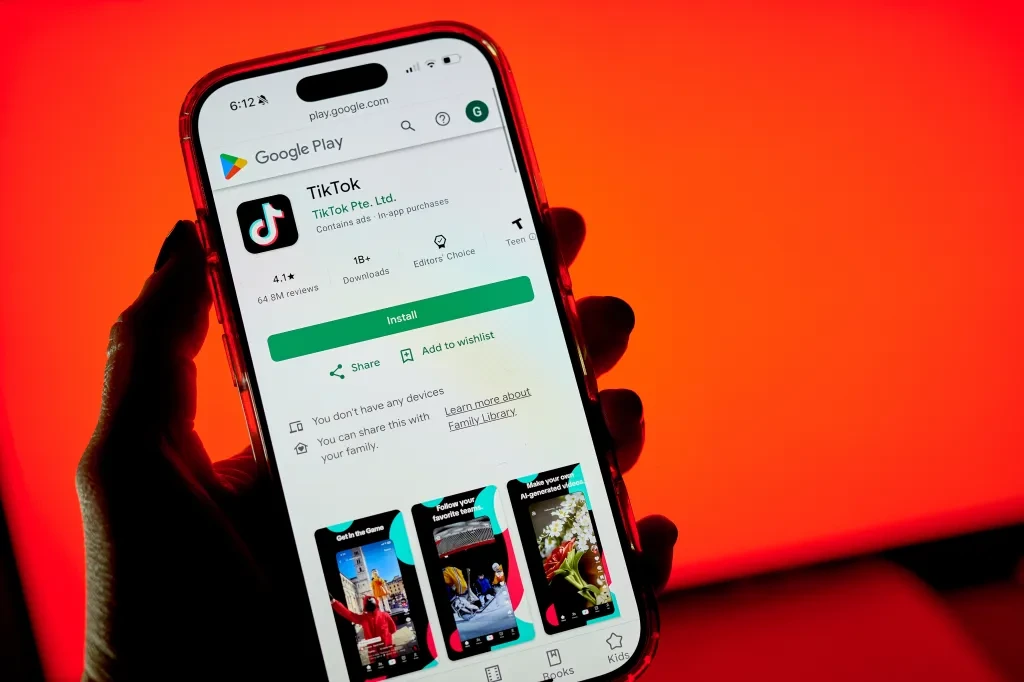
Here’s the part nobody wants to admit. TikTok isn’t just an app. It’s a habit. And habits don’t care about geopolitics.
The algorithm is genuinely better than anything else out there. Instagram Reels feels like a knockoff. YouTube Shorts is getting closer but still lacks the magic. TikTok figured out something about attention that other platforms are still trying to reverse-engineer.
It knows what you want before you do. That’s not an exaggeration — it’s the whole product. Five minutes of scrolling and the algorithm has you mapped. Ten minutes and it’s showing you content so specific to your interests that it feels like it’s reading your mind.
That kind of personalization creates dependency. Not in a dramatic, after-school-special way. In a quiet, “I’ll just check it real quick” way that eats 45 minutes of your evening without you noticing.
The Hypocrisy Loop
The funniest part of every TikTok ban cycle is watching people announce they’re leaving TikTok — on TikTok. The “this is my last video” genre is its own content category at this point.
These videos get millions of views. The algorithm boosts them because they generate engagement. People comment “same, I’m deleting too” and then keep scrolling. It’s performance activism meets digital addiction, and it’s oddly entertaining to watch.
Then there are the creators. People who built entire careers on the platform — income, brand deals, audiences in the millions. Telling them to “just move to YouTube” is like telling a restaurant owner to “just open in a different city.” The infrastructure doesn’t transfer that easily.
What Actually Happens When People Delete It
Studies and surveys tell a consistent story. When people delete TikTok, most of them don’t suddenly start reading books or going outside. They just shift to Instagram Reels or YouTube Shorts. The behavior stays the same — only the logo changes.
Some people genuinely break free and report feeling better. Less comparison, more free time, better sleep. But they’re the minority. Most people reinstall within a month because the alternatives don’t scratch the same itch.
The algorithm is the product, and nobody else has built one this good. That’s TikTok’s real moat — not the brand, not the creators, not the trends. The recommendation engine.
The Bigger Question
Maybe the real issue isn’t TikTok specifically. Maybe it’s the fact that we’ve built a world where short-form video is the default way millions of people consume information, entertainment, and news.
Banning one app doesn’t fix that. Another one will take its place. The format is here to stay — the question is who controls it and what they do with the data.
But let’s be real. Most people reading this aren’t thinking about data sovereignty. They’re thinking about whether that recipe video they saved is still going to be there tomorrow.
And honestly? Same.
Got a take? Disagree? Think we’re being dramatic? Good. That’s the point. Come back tomorrow — we’ve got more to say.