

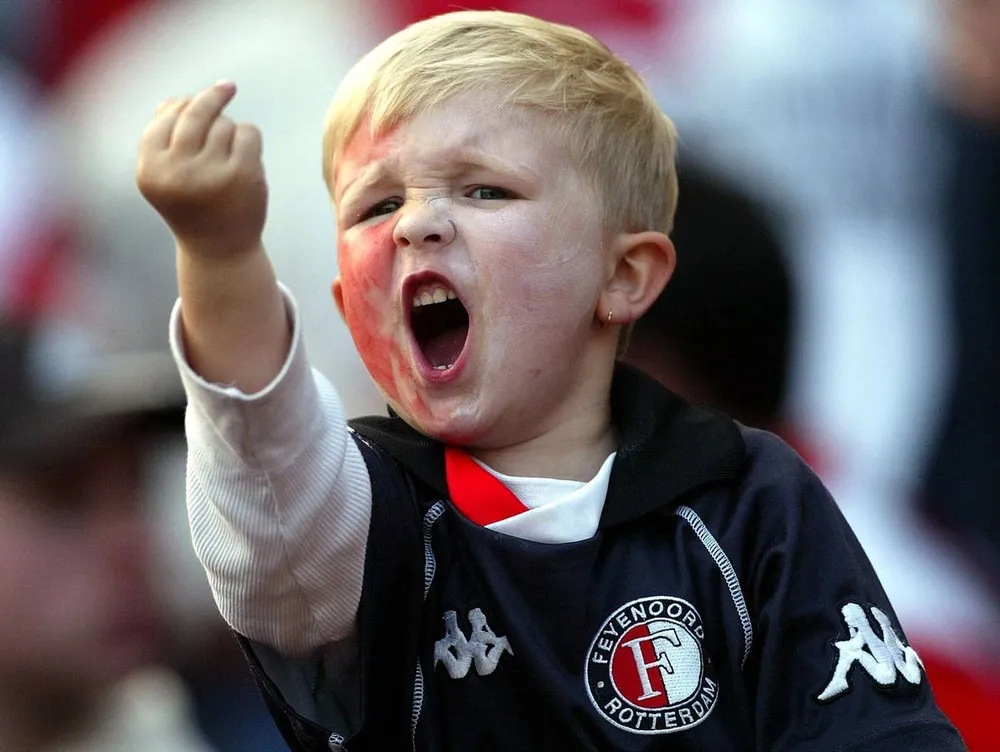

Sports are supposed to be fun. That’s the whole point. You watch people play a game, you cheer, you groan, you argue with your friends. It’s entertainment with stakes.
So why does it feel like every sports fan online is ready to fight someone?
The Rage Machine
Open any sports subreddit, fan forum, or Twitter thread after a big game. The losing side isn’t just disappointed — they’re furious. The refs were corrupt. The coach is an idiot. The star player should be traded. The entire organization needs to burn down and rebuild from scratch.
And the winning side? They’re not happy either. They’re mocking the losers, starting fights with rival fans, and already anxious about the next game.
The joy lasts about fifteen minutes. Then the discourse takes over.
This isn’t new — sports fans have always argued. But the scale and intensity are different now. The arguments are louder, more personal, and they never stop. There’s no off-season for sports rage because there’s always a trade rumor, a contract dispute, or a controversial take to react to.
Social Media Turned Fandom Into Performance
Being a sports fan used to be something you did with the people around you. Your family, your friends, the strangers at the bar. The emotions were real but contained. You yelled at the TV, complained at work on Monday, and moved on.
Now fandom is public and permanent. Every reaction is a post. Every opinion is a thread. Every bad take is screenshotted and quoted into oblivion. Being a fan isn’t just about watching the game — it’s about performing your fandom for an audience.
And performance changes behavior. When you’re arguing with your friend at a bar, you eventually laugh it off. When you’re arguing with a stranger online, you escalate. Because backing down looks weak. Because the ratio matters. Because your identity as a fan is now tied to your online persona.
The Gambling Factor
Let’s talk about the elephant in the stadium. Sports betting went mainstream and it changed everything.
When you have money on a game, every call matters more. Every missed shot costs you something. Every questionable decision by a referee isn’t just frustrating — it’s personally expensive. The emotional stakes went from “I want my team to win” to “I need this specific outcome to happen or I lose $200.”
That escalation shows up in how people talk about sports. The analysis gets more intense. The anger gets more personal. The accusations of corruption and rigging get louder. Because when money is involved, incompetence feels like conspiracy.
Betting companies sponsor teams, stadiums, and broadcasts. The integration is so complete that watching a game without being reminded to bet is nearly impossible. And the people who lose money don’t just quietly absorb the loss — they get online and rage about it.
Parasocial Relationships With Athletes
Fans have always admired athletes. But social media created a new dynamic. Fans now feel like they know these players personally. They follow their daily lives, their families, their opinions on everything from politics to restaurants.
That familiarity breeds entitlement. When a player you “know” underperforms, it feels like a personal betrayal. When they leave your team, it feels like a breakup. When they say something you disagree with, it feels like a friend let you down.
Athletes are employees doing a job. But the parasocial relationship makes fans treat them like family members who owe them something. And when that expectation isn’t met, the result is anger that’s way out of proportion to what actually happened.
The 24/7 Content Cycle
There used to be games, and between games, there was life. Now there’s content. Every hour of every day, someone is producing sports content — podcasts, videos, tweets, hot takes, rumors, projections, rankings.
This content exists to fill space and generate engagement. And the easiest way to generate engagement is to create conflict. “Is [player] washed?” “Why [team] should blow it up.” “The worst contract in sports.”
Fans consume this content constantly. It shapes their opinions between games, priming them for frustration before the next one even starts. By the time kickoff happens, they’ve already absorbed hours of negativity and they’re ready to explode.
Can Sports Be Fun Again?
Honestly? For individual fans, yes. Mute the noise, watch the game with people you like, and log off afterward. Sports are still incredible when you experience them directly.
But the surrounding culture? That’s probably not going back. The incentive structure — social media engagement, gambling revenue, content production — all pushes toward more intensity, more anger, more toxicity. The machine is built and it’s profitable.
The best you can do is choose how you engage with it. And maybe remember that it’s supposed to be a game.
Got a take? Disagree? Think we’re being dramatic? Good. That’s the point. Come back tomorrow — we’ve got more to say.