
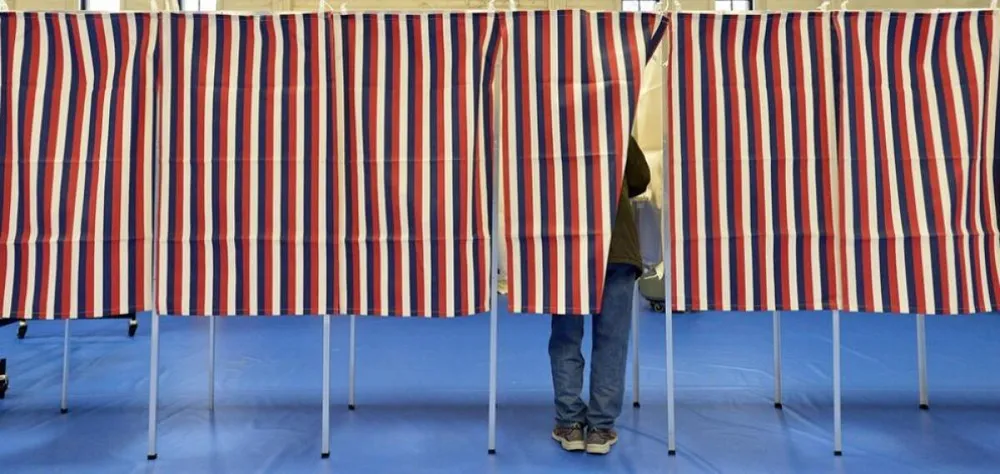

Here’s a number that should scare everyone: voter turnout in most democracies is trending down. Not crashing — just slowly, steadily declining. Election after election, fewer people show up.
And before you hit them with the “people died for your right to vote” speech, maybe consider that they know that already. They just don’t think it makes a difference.
The Trust Problem
This isn’t about laziness. People aren’t skipping elections because they’re too busy watching Netflix. They’re skipping them because they’ve watched the system long enough to feel like their participation doesn’t change outcomes.
Politicians campaign on promises, win elections, and then either can’t or won’t deliver. Healthcare stays broken. Housing gets more expensive. Cost of living climbs while wages stay flat. The faces in office change but the problems remain.
After enough cycles of that, a rational person starts asking: what’s the point?
That’s not apathy. That’s pattern recognition.
Both Sides of the Same Problem
It doesn’t matter which end of the political spectrum you’re on — the frustration is universal.
If you lean left, you watch progressive candidates promise bold change and then govern from the center because the system won’t let them do otherwise. Coalition politics, opposition blocking, budget constraints, lobbyists. The machinery grinds everything down to a compromise nobody wanted.
If you lean right, you watch conservative candidates promise to cut bureaucracy and return to common sense, then expand government spending and get lost in culture wars instead of economic reform.
Both sides feel betrayed by their own representatives. And when both sides feel that way simultaneously, the system has a legitimacy crisis.
Social Media Made It Worse
Here’s something that doesn’t get discussed enough. Social media was supposed to democratize political engagement. Give everyone a voice, connect citizens with representatives, create informed voters.
Instead, it turned politics into entertainment. Rage-bait headlines. Gotcha clips. Politicians performing for the algorithm instead of governing. The discourse got louder and dumber at the same time.
People who engage with politics online end up more polarized, more exhausted, and less likely to believe in institutional solutions. The platforms optimized for engagement, and anger engages better than hope.
So now you have millions of people who are politically aware — they know the issues, they follow the debates — but they’ve concluded that the system doesn’t respond to their input. They’re informed and disengaged. That’s a new kind of problem.
The Youth Factor
Younger voters are the most affected. Across Europe, North America, and beyond, voters under 30 consistently show up at lower rates than older demographics.
This isn’t because they don’t care. Surveys show young people care deeply about climate, inequality, housing, and education. They just don’t believe elections are the mechanism that will fix those things.
They see activism, community organizing, mutual aid, and direct action as more effective than casting a ballot for a candidate who won’t remember their issues once in office. Whether that’s true or not, it’s what they believe. And belief drives behavior.
What Would Actually Fix This
Mandatory voting? Some countries do it. It increases turnout but doesn’t increase trust. People show up, spoil their ballot, and go home resentful.
Better candidates? Sure. But the system that produces candidates is the same system people have lost faith in. The process selects for people who are good at campaigning, not governing.
Electoral reform? Proportional representation, ranked choice voting, campaign finance limits — these could help. They make the system more responsive and reduce the “lesser of two evils” dynamic. But they require the current system to reform itself, which is like asking a company to fire its own CEO.
The honest answer is that there’s no quick fix. Restoring trust in democratic institutions takes years of consistent, visible results. People need to see their vote produce change they can feel in their daily lives. And right now, for most people, that connection is broken.
Don’t Lecture, Listen
The worst response to declining voter turnout is guilt-tripping people into voting. “If you don’t vote, you can’t complain” is a terrible argument that ignores legitimate reasons for disengagement.
A better response is asking: what would need to change for you to believe your vote matters?
That conversation is more productive than any “get out the vote” campaign. Because the problem isn’t getting people to the polls. The problem is giving them a reason to go.
Got a take? Disagree? Think we’re being dramatic? Good. That’s the point. Come back tomorrow — we’ve got more to say.