

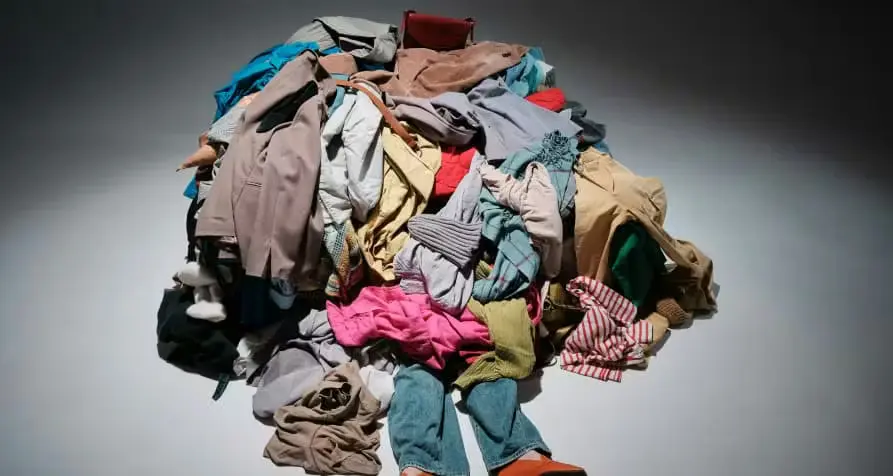

For twenty years, the fashion industry ran on a simple formula: make it cheap, make it fast, make a lot of it, and convince people they need new clothes every two weeks.
It worked. Shein, Zara, H&M, Primark — they built empires on the idea that clothing is disposable. Buy a shirt for the price of a coffee, wear it three times, throw it away, repeat.
But something is shifting. Slowly, messily, imperfectly — but shifting.
What’s Actually Changing
Let’s be clear upfront: fast fashion isn’t dead. Shein is still massive. People are still buying $8 dresses. The industry still produces roughly 100 billion garments a year, most of which end up in landfills.
But the cracks are showing in ways that matter.
First, regulation is arriving. The EU is leading with legislation that holds brands accountable for the full lifecycle of their products. Extended producer responsibility, textile waste reduction targets, mandatory sustainability reporting. These aren’t suggestions — they’re laws with teeth. And they’re making the “produce and dump” model more expensive.
Second, consumer awareness is genuinely increasing. Not everyone cares, but enough people do that it’s affecting purchasing behavior. Searches for sustainable fashion, secondhand clothing, and garment quality have been climbing steadily. The information is out there now, and it’s harder to ignore.
Third, the resale market exploded. Platforms for secondhand clothing aren’t niche anymore — they’re mainstream. Buying used clothing went from something you did out of necessity to something you do because the pieces are unique, often higher quality, and come with a story that a Shein haul can’t match.
The Quality Revolution
Here’s the shift that matters most. A growing number of consumers — especially younger ones — are starting to ask a question that fast fashion hoped they’d never ask: what am I actually buying?
When you hold a $5 t-shirt next to a $40 one, the difference is obvious. The fabric, the stitching, the cut, the way it fits after three washes. Fast fashion trained people to think of clothing as disposable, but disposable stops being cheap when you’re replacing things every few months.
The math is simple. Three cheap shirts that fall apart in a year cost more than one good shirt that lasts three years. People are starting to do that math.
This doesn’t mean everyone is suddenly buying luxury. There’s a growing middle ground — brands that offer decent quality at reasonable prices without the planned obsolescence of fast fashion. They’re not glamorous, but they last. And lasting is becoming cool.
Secondhand Is the New Shopping
The stigma around thrift stores and secondhand clothing has almost completely evaporated. What used to be associated with financial necessity is now associated with smart shopping, individual style, and environmental consciousness.
Online resale platforms made this possible at scale. You can browse thousands of pieces from your phone, filter by brand and size, and have them delivered like any other online order. The convenience gap between new and secondhand has nearly closed.
Vintage and secondhand pieces also offer something fast fashion fundamentally cannot — uniqueness. In a world where everyone is wearing the same Zara jacket, showing up in a one-of-a-kind vintage find is a genuine flex.
The resale market is projected to keep growing rapidly through the rest of the decade. It’s not a trend. It’s a structural shift in how people think about buying clothes.
What’s Replacing the Fast Fashion Model
A few different things, all happening simultaneously.
Slower fashion brands are growing. Companies that release fewer collections, use better materials, and charge more per piece but deliver genuine quality. They’re not mass-market yet, but they’re growing faster than the industry average.
Rental and subscription models are finding their audience. For people who want variety without waste — occasion wear, trend pieces, work wardrobes — renting makes more sense than buying something you’ll wear twice.
Made-to-order and small-batch production is becoming viable for smaller brands thanks to better manufacturing technology and direct-to-consumer models. Instead of producing 10,000 units and hoping they sell, brands produce what’s actually ordered.
Repair and care culture is coming back. Brands that offer repair services, care guides, and long warranties are differentiating themselves. The message is: we made this to last, and we’ll help you keep it.
The Honest Take
Fast fashion isn’t dying tomorrow. The prices are too tempting, the convenience too strong, and the habit too deeply ingrained for billions of consumers.
But the direction is clear. Regulation is making the cheap model more expensive. Consumers are slowly demanding better. The resale market is offering a credible alternative. And a new generation of brands is proving you can sell clothes that don’t self-destruct.
The transition will be slow, uneven, and full of greenwashing along the way. But the era of clothing as truly disposable? That peak has passed.
What comes next might not be perfect. But it’ll probably last more than three washes.
Got a take? Disagree? Think we’re being dramatic? Good. That’s the point. Come back tomorrow — we’ve got more to say.